Winter Demolition Turns a “Slow Season” into a Strategic Advantage
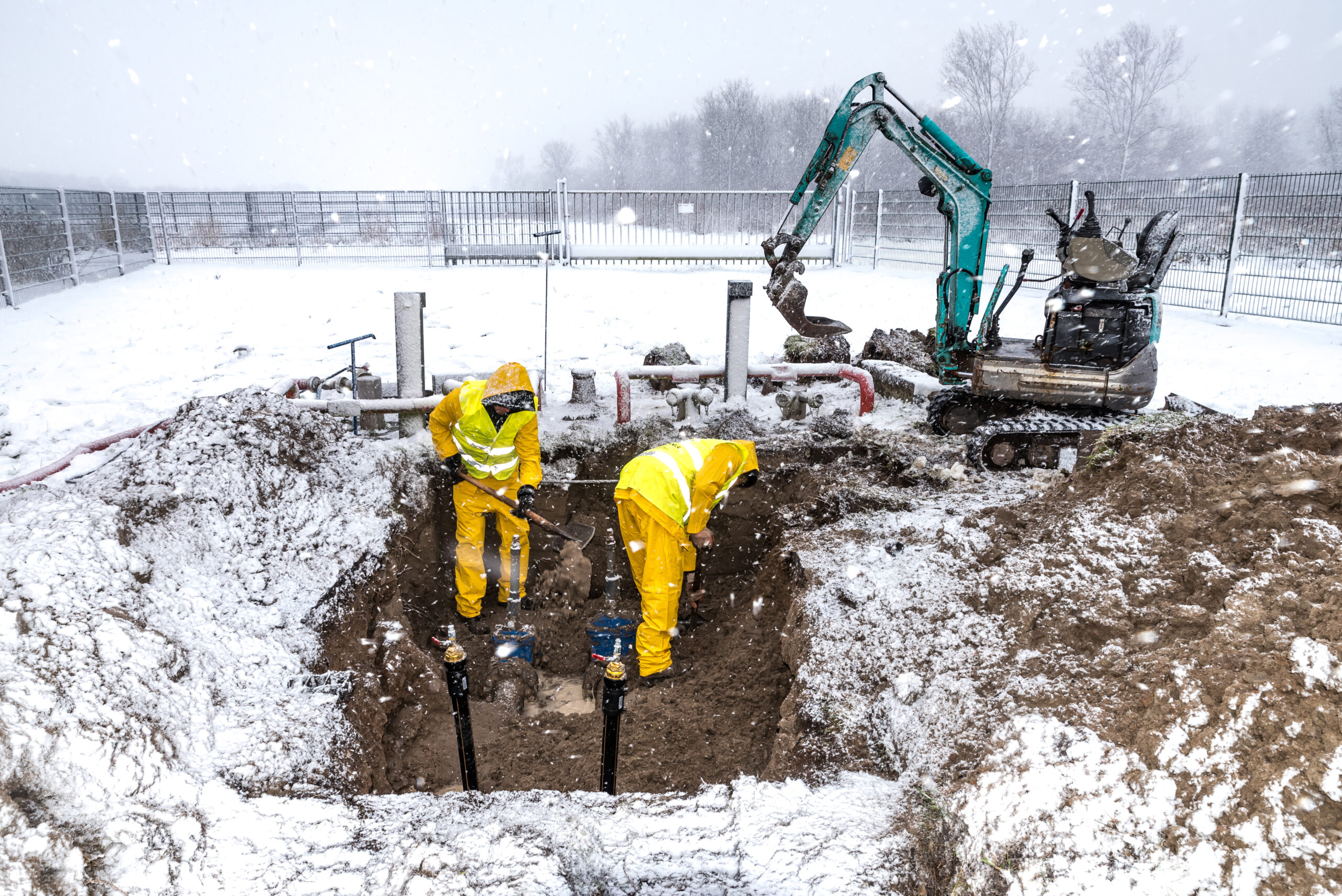
Most people think demolition has to wait for warm weather, but in Wisconsin, that’s not the full story. With the right planning, winter can be one of the most efficient times to remove old structures and get a site ready for spring building. Construction companies routinely keep projects moving in cold weather by adapting methods and schedules rather than shutting down entirely.
For CK Contractors, winter isn’t downtime—it’s another season of opportunity. Their teams are used to operating in snow, ice, and sub-freezing temperatures, and they use winter-friendly equipment and processes to keep projects moving safely.
Q: Does frozen ground slow demolition down?
A: Not necessarily. When conditions are right, frozen ground can actually speed up work by giving equipment a firmer, more stable surface with less mud and rutting.
Q: Is winter demolition more dangerous for workers?
A: Winter adds risks like cold stress and icy surfaces, but those are manageable with proper PPE, site prep, and monitoring—exactly what OSHA and NIOSH recommend for outdoor work in cold weather.
When you look past the assumption that “everything stops in winter,” a different picture appears: demolition can be cleaner, faster, and more strategic. The next section dives into why winter conditions actually work in favor of many tear-down projects.
Why Winter Is Ideal for Demolition Projects
In many cases, winter creates better jobsite conditions for demolition. Once the ground is frozen, heavy equipment often has a more stable surface to work on, which can mean fewer ruts, less torn-up soil, and a cleaner site at the end of the project—especially important if you plan to rebuild in the spring.
Dust is another factor. Construction and demolition activities are a significant source of airborne dust and particulates, which can affect both outdoor air quality and nearby buildings. Because emissions are strongly influenced by activity levels and weather conditions, cooler, often more humid winter air can help keep dust closer to the ground and easier to control compared to hot, dry summer days.
On the planning side, winter can mean better availability. During peak building months, demolition crews may be booked out far in advance. Several demolition and construction firms note that winter schedules tend to be more flexible, allowing projects to start sooner and sometimes finish faster, with fewer conflicts for labor and equipment.
Q: Does frozen ground make debris harder to remove?
A: Debris removal is usually tied to equipment and logistics, not soil temperature. In fact, firm ground can make it easier for trucks and loaders to maneuver without getting stuck.
Q: Are demolition permits processed slower in winter?
A: Many municipalities see lower overall construction volume in colder months, which can mean less congestion in permitting queues and smoother approvals, according to industry case studies and contractor reports.
Q: Is equipment safe to operate at low temperatures?
A: Yes, as long as it’s properly winterized—using the right fluids, preheating procedures, and maintenance routines. Cold-weather construction guidance emphasizes equipment prep as a key part of keeping winter operations safe and productive.
Once you understand how winter can stabilize ground conditions, limit dust, and ease scheduling, the next question is what you should be tearing down during this season. That’s where structure type matters.
What Types of Structures Are Best for Winter Demolition?
Almost any structure can be demolished in winter with the right approach, but some make especially good cold-weather projects. Detached garages, sheds, small barns, and other outbuildings are ideal: they’re typically simpler to disconnect, easier to access, and straightforward to remove.
Older or failing structures are also smart to address before another round of snow loads and freeze-thaw cycles. If you have a decaying home or commercial building with sagging roofs, compromised framing, or visible settlement, winter demolition can remove that risk and position the site for spring construction.
Concrete pads, small parking areas, and modest commercial buildings often pair well with winter work, too. Frozen or firm ground helps support the breakers, excavators, and loaders needed to break and haul concrete, while good hauling logistics prevent debris from being buried or compacted under snow.
Q: Can a full home be demolished in the middle of winter?
A: Yes—if utilities are properly disconnected, access is safe, and the contractor understands cold-weather planning, full residential tear-downs are very feasible.
Q: Are commercial buildings safe to remove in snow?
A: They can be, provided snow and ice management, equipment staging, and traffic control are built into the plan from the start.
Knowing which structures are especially winter-friendly helps you prioritize projects. From there, the key is choosing a contractor who knows how to manage safety, equipment, and logistics in cold conditions—exactly what the next section covers.
How CK Contractors Performs Demolition Safely in Winter
Winter demolition isn’t something to “wing.” Industry guidance is clear: cold-weather tear-downs require deliberate planning, specialized equipment, and experienced crews who understand seasonal risks. CK Contractors builds this into every winter project they take on across their Wisconsin service area.
Equipment is prepped for low temperatures with appropriate fluids, preheating routines, and maintenance schedules. Access routes and work zones are cleared of snow and ice, using winter construction best practices like widened entry points and designated snow storage areas to keep sites safe and efficient.
Worker safety is front and center. OSHA and CDC both stress the importance of protecting outdoor crews from cold stress, frostbite, and slips during winter operations. CK Contractors follows those principles with proper PPE, training, and weather monitoring—so projects move forward without compromising safety.
Once demolition begins, debris is managed and removed methodically. Because construction and demolition activities contribute to dust and emissions, responsible contractors pay close attention to how they handle materials and traffic, even in winter. CK’s in-house truck hauling services help keep sites clean by moving debris offsite quickly, rather than letting it pile up under snow.
Q: How does equipment keep running in subzero temperatures?
A: Winter-ready contractors use the right hydraulic fluids and fuel treatments, follow warm-up procedures, and schedule maintenance around weather windows.
Q: What keeps workers safe on ice and snow?
A: Cleared and treated walkways, appropriate footwear, guardrails where needed, and training based on OSHA/NIOSH cold-weather guidance.
A safety-first, winter-specific approach is what makes cold-weather demolition reliable. Once you choose the right partner, the next piece of the puzzle is understanding what the process actually looks like from the client’s perspective.
What to Expect During a Winter Demolition Project
From a client’s perspective, the winter demolition process looks familiar—it just includes a few extra steps for weather. First comes a site visit to evaluate the structure, access, utilities, and cold-weather considerations like snow storage and slopes. Then the team coordinates proper utility shutoffs, which must be completed before any demolition begins, regardless of season.
Next comes equipment staging and tear-down. Machines are positioned to take full advantage of frozen ground and cleared access routes. Demolition progresses in a controlled sequence, prioritizing structural stability and debris containment. Trucks then haul materials offsite, preventing snow and ice from compacting piles and making them harder to manage later.
Depending on frost depth and project goals, CK can often perform initial grading or site smoothing right after demolition. That groundwork helps your property transition faster into spring construction or landscaping.
Q: Is winter demolition slower than summer demolition?
A: With good planning, timelines are often comparable—and sometimes better, thanks to more flexible scheduling and stable ground.
Q: Can grading be done right away in winter?
A: Light grading is often possible; final shaping and landscaping prep are usually scheduled for spring when the frost is out.
When Winter Demolition Might Not Be Ideal
For all its benefits, winter isn’t perfect for every project. Extremely deep frost, repeated heavy storms, or very limited access can make it impractical or uneconomical to bring in heavy equipment. Guidance for cold-weather construction notes that when temperatures or wind chills become extreme, protecting workers may require slowing or rescheduling work.
Hazardous materials are another consideration. If asbestos, lead-based paint, or similar issues are discovered, those materials must be handled by licensed abatement professionals under strict air-quality and safety rules. In some cases, that can influence timing or require additional steps before or after winter work.
Q: How cold is “too cold” to work?
A: Each contractor has its own thresholds, but when wind chill poses serious cold-stress risk, reputable companies follow OSHA/NIOSH guidance and adjust schedules.
Q: Can snow completely stop a demolition?
A: Heavy or drifting snow can temporarily block access, but plowing and snow management usually solve this. In rare cases, geography or repeated storms may justify waiting for better conditions.
Winter Demolition Clears the Way So You Can Build Sooner Come Spring
When you look at the full picture, winter demolition is less of a backup plan and more of a strategic move. Frozen ground can mean cleaner sites and better equipment support. Cooler air and responsible debris handling help manage dust and emissions. And with fewer crews tied up on peak-season work, scheduling can be faster and more flexible.
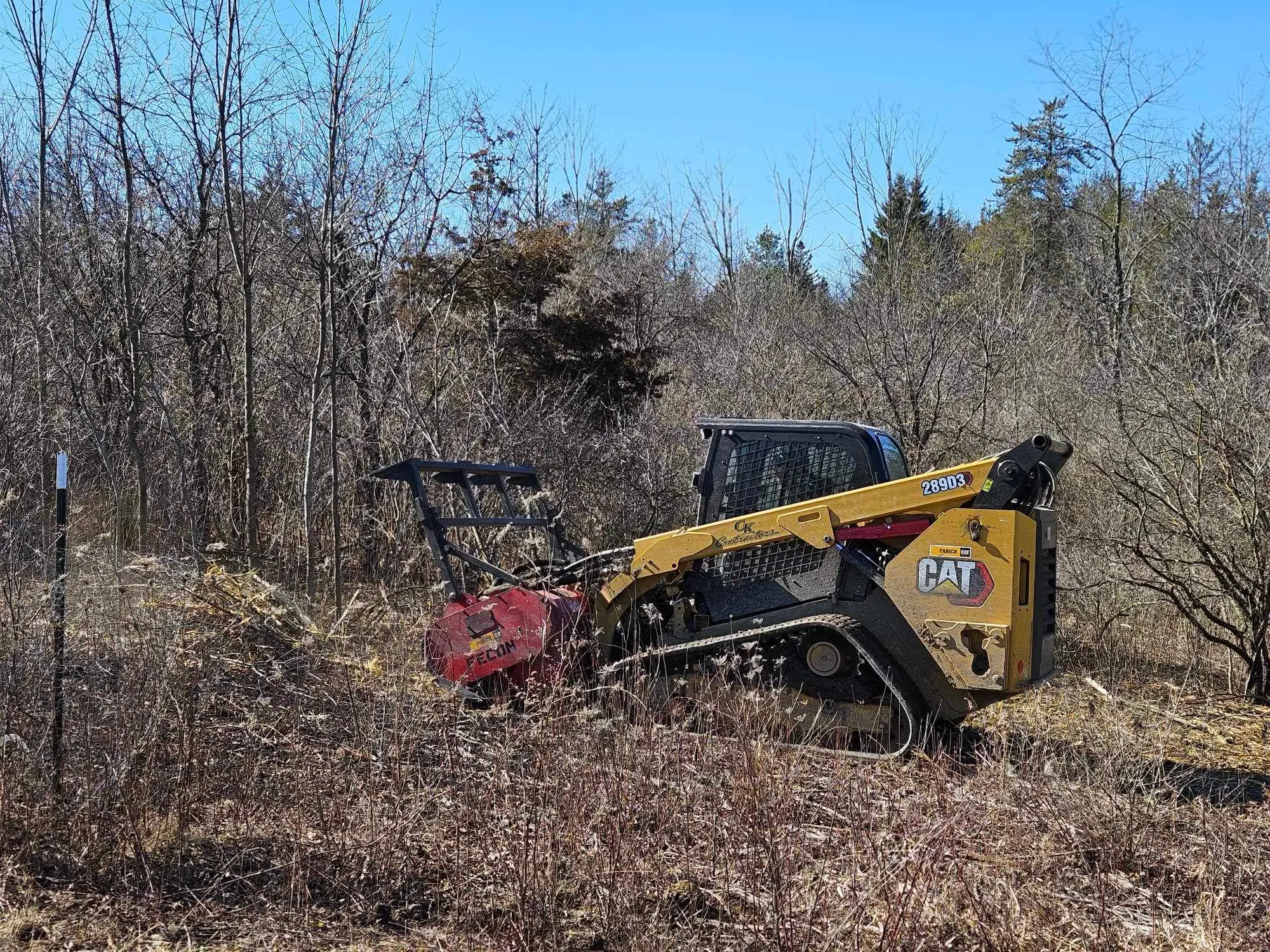
For homeowners and businesses in Kenosha, Racine, Walworth, Waukesha, Milwaukee and surrounding areas, CK Contractors combines winter-ready demolition with excavating, grading, hauling, brush clearing, and snow removal—so your property can move from “old structure” to “ready for what’s next” even in the middle of winter.
Q: How soon should I book a winter demolition slot?
A: The earlier the better. Reaching out now gives you time to handle permits, utilities, and planning before you’re up against spring deadlines.
Q: What do I need for a quote?
A: Basic property details, structure size and type, photos if available, and any known access or utility issues help CK Contractors give you a clear, accurate estimate.
Ready to Plan Your Next Demolition Project?
If you’re ready to clear the way for your next project—even with snow on the ground— contact CK Contractors for a winter demolition consultation and see how a cold-weather tear-down can give your property a head start come spring.