How CK Contractors Prepares Sites for Spring Construction Before the Snow Melts
In the Midwest, the warm-weather construction window can feel short—especially when spring rain and thaw turn job sites muddy overnight. That’s why the smoothest excavation and grading projects don’t start when the ground finally dries out. They start with planning before the snow melts and schedules fill up.
Late winter is a critical window. Spring demand is building, drainage issues are starting to show, and projects that aren’t planned yet often end up delayed or rushed. Property owners who take time now to assess excavation and grading needs are in a much better position once conditions allow work to begin.
Introduction
Late winter is planning season in Wisconsin. New builds, driveway replacements, drainage fixes, and lot prep all stack up fast as spring approaches—and the projects that go best are the ones ready to move when conditions allow.
Winter is also when drainage problems make themselves known. You can often see where water wants to travel by watching where snowmelt refreezes or where it pools during warm-ups. Those patterns are valuable because they give you a head start on fixing the cause of the issue, not just the surface symptoms.
Q&A
If you’re thinking, “We’ll deal with it in spring,” you’re not alone—but that’s exactly when schedules tighten and problems get more expensive. Next, here’s why late winter is when smart property owners get ahead.

Why Late Winter Is the Best Time to Plan Excavation and Grading
Planning early is a strategic move. In late winter, contractor calendars are often more flexible than they’ll be in April, when everyone wants to start at once. It’s also when you have the breathing room to make good decisions—before spring mud and fast-changing conditions force rushed choices.
This is also the time to handle the pre-work that prevents start-date headaches. Utility locating, access planning, material estimates, and haul-off logistics all take coordination. If those steps are pushed into peak season, they can stall a project right when momentum matters most.
Early planning also helps you sequence the job correctly. Many spring delays come from one simple issue: the site wasn’t staged for the season. Waiting until everything is thawing and wet to figure out access, spoils placement, or grading corrections costs time—and often creates a mess that has to be fixed later.
Q&A
Planning is only part of the story. The bigger reason early planning matters is that winter conditions often expose drainage problems you may not notice in summer—so let’s look at what freeze–thaw does to your property.
Freeze–Thaw Cycles Expose Drainage Problems Fast
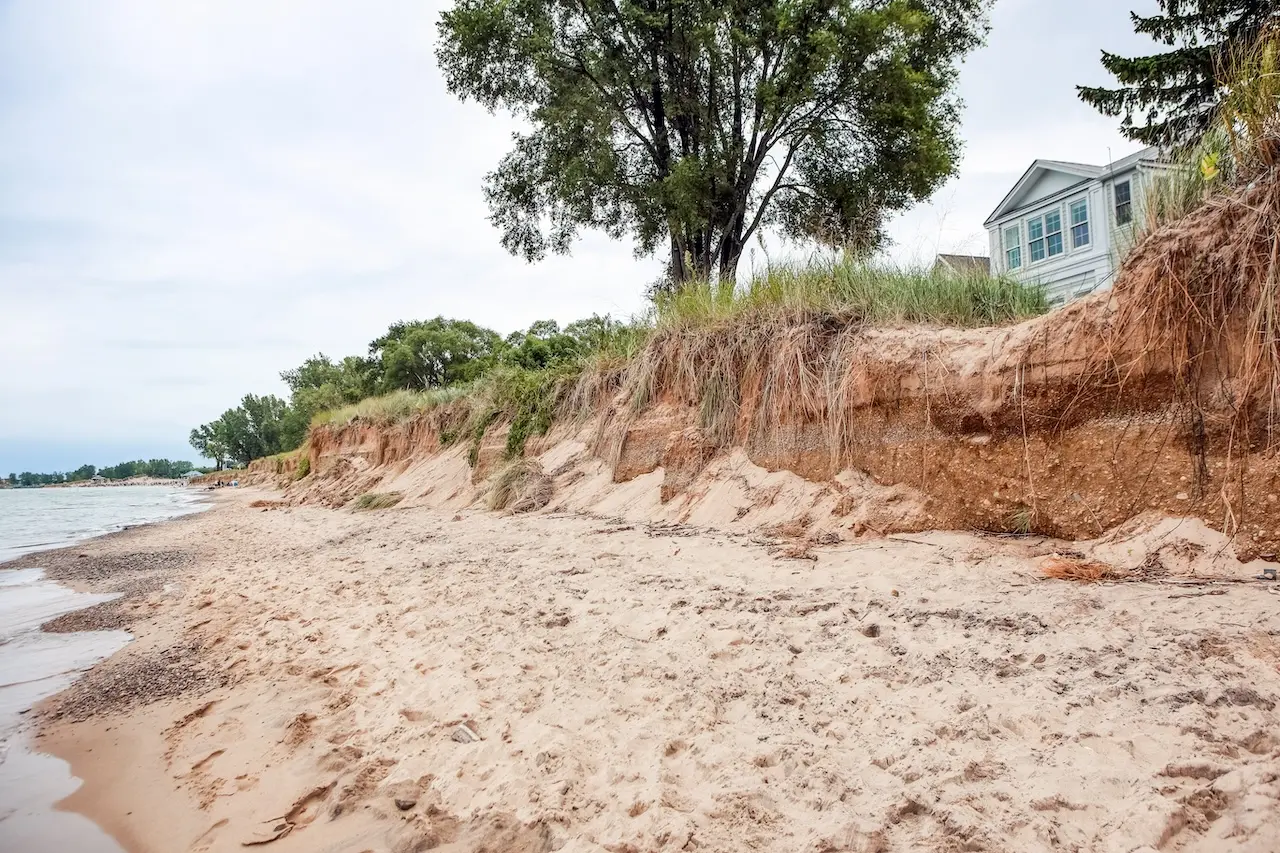
Freeze–thaw is simple in theory: water freezes, expands, and then melts. But in real-world Midwest conditions, repeated cycles can shift soil, create uneven grades, and weaken surfaces during warm-ups. That’s one reason “mud season” hits hard—everything that felt solid when frozen can soften quickly.
Late winter makes the warning signs easier to spot:
- Icy driveway edges where meltwater repeatedly refreezes
- Standing water near downspouts during warm-ups
- Soft areas in yards that “give” underfoot
- Water tracking toward a foundation, garage, or low corner of the lot
These patterns matter because they show where water already wants to go. Once you identify that, you can plan grading and excavation that redirects it—before spring rain turns small issues into bigger problems.
Q&A
Once you know what winter is telling you, the next step is understanding what grading and excavation actually change—because the goal isn’t just moving dirt, it’s controlling water.
Grading for Drainage: What It Really Means (And Why It Matters)
Grading is the shape of your site. It determines where surface water flows—and whether it drains away cleanly or sits where it can freeze, seep, or erode.
Done right, grading helps:
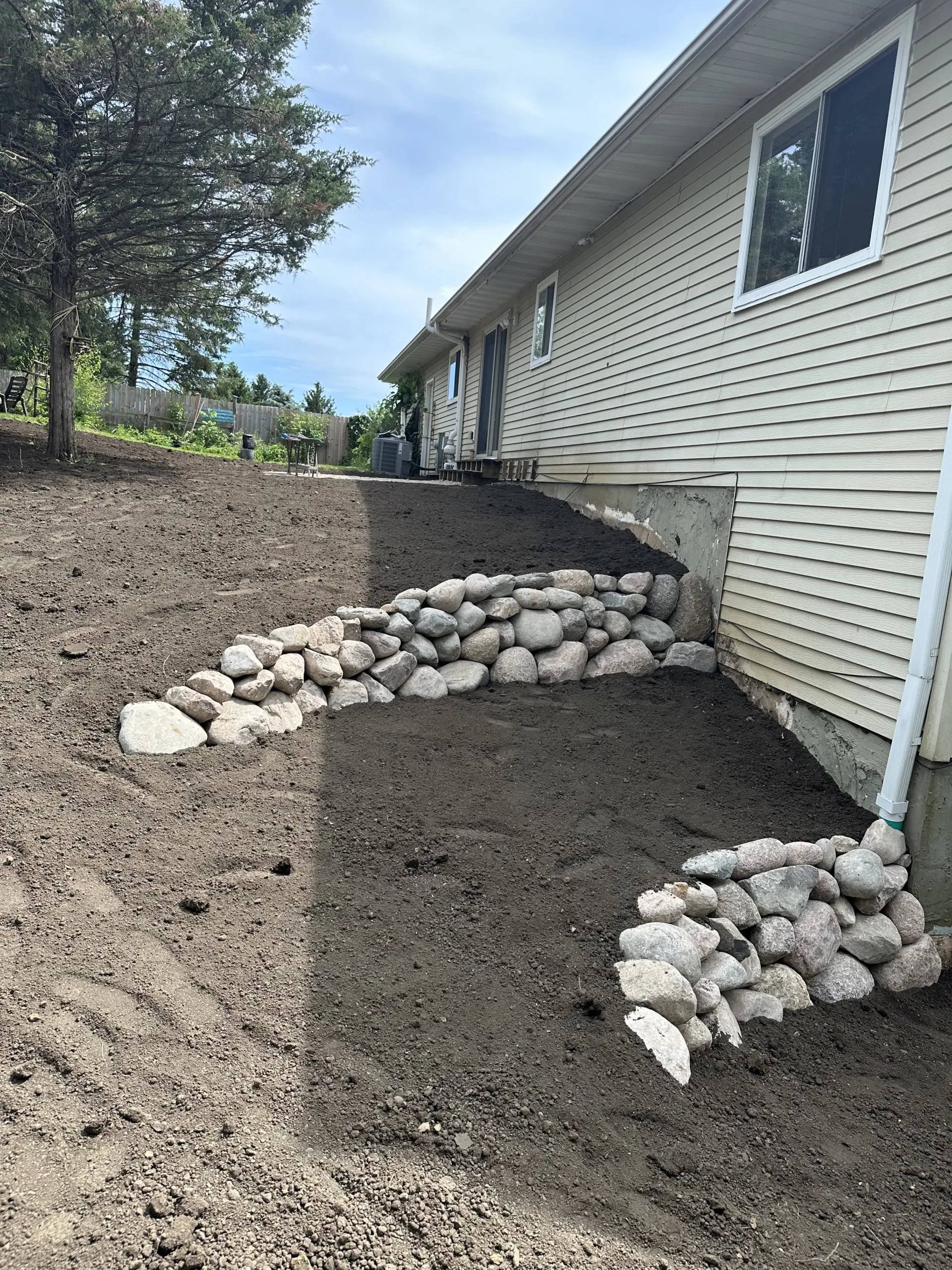
- Direct runoff away from buildings and problem areas
- Prevent water from collecting in low spots
- Improve driveway performance and longevity
- Stabilize soil for future construction
Many issues that feel like “winter problems” are actually slope and drainage problems that winter simply makes obvious. The fix usually isn’t a single product—it’s a thoughtful set of grading changes that guide water away safely.
Common grading-related projects include:
- Driveway regrading and base correction
- Yard regrading for pooling water
- New build pad preparation
- Swales, ditches, and drainage shaping where appropriate
Q&A
Grading sets the shape, but excavation is what allows major corrections—especially when you’re prepping for a new build, driveway replacement, or significant site changes.
Excavation Planning: Driveways, New Builds, and Lot Prep Done Right
Excavation is more than digging. It’s removing or reshaping material so your site performs correctly—both structurally and from a drainage standpoint.
Common excavation needs include:
- New build pads and foundation prep
- Driveway replacement base work
- Removing unsuitable soils (soft, organic, or unstable)
- Shaping land for drainage and long-term stability
Sequencing matters. A well-run excavation and grading project typically follows this order:
- Clearing or removals as needed
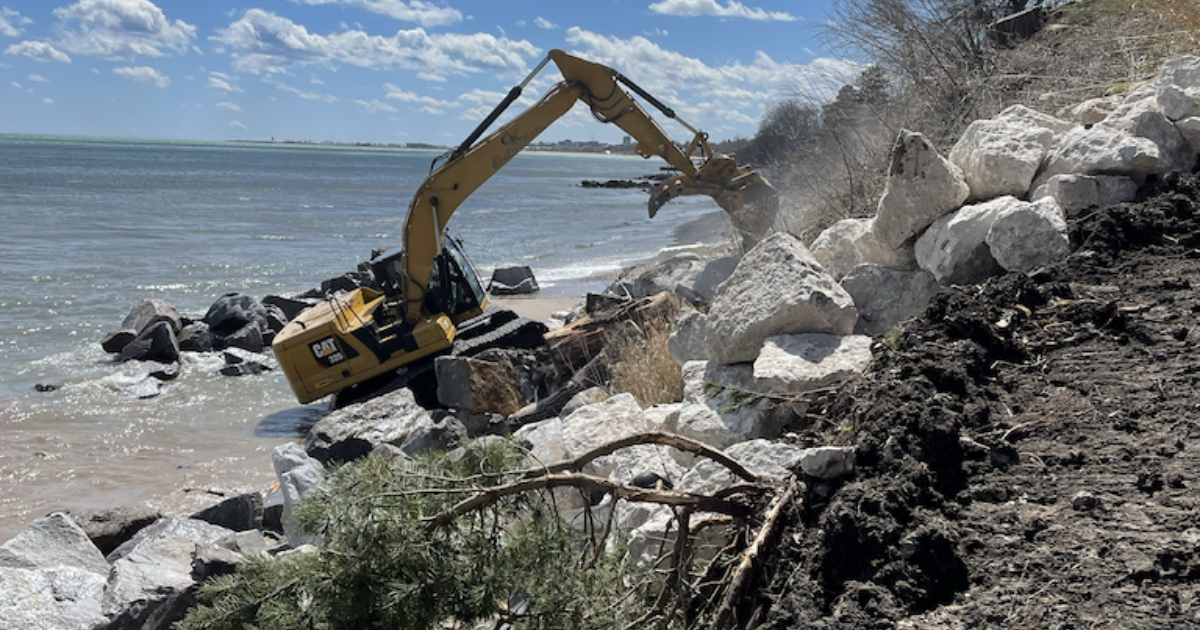
- Rough excavation and rough grading
- Base building and compaction (especially for driveways)
- Finish grading once conditions allow
When steps are rushed—or skipped—spring weather finds the weak spot. That’s when ruts, pooling, and soft areas show up.
Q&A
Efficient projects also depend on what happens to soil and debris once work begins—which brings us to hauling and site support.
How CK Contractors Keeps Spring Site Work Efficient
Spring work moves fastest when the site is staged correctly and support services are already planned. That’s why CK Contractors treats excavation and grading as part of a complete site strategy.
Depending on the property, that may include:
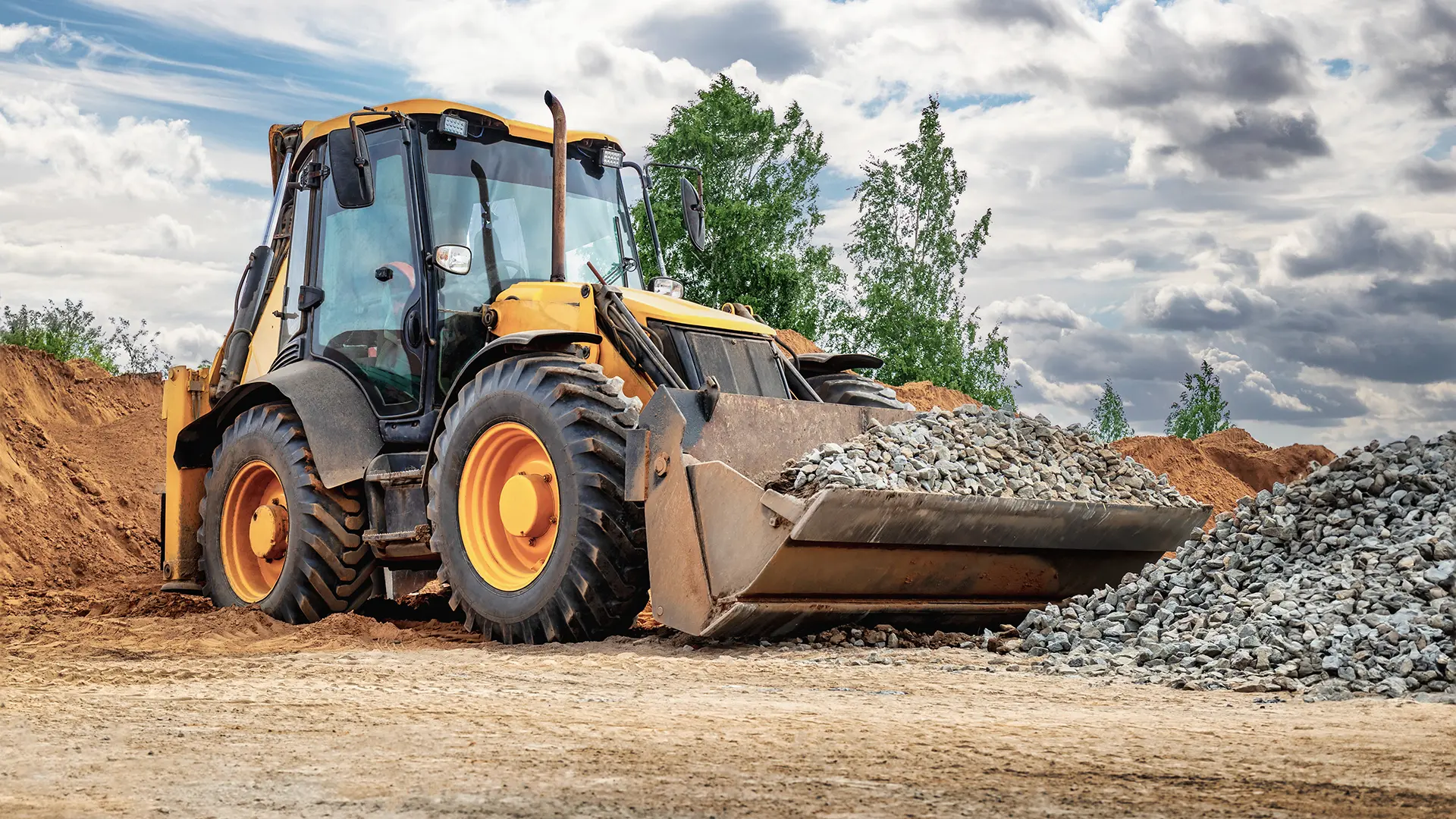
- Truck hauling for soil, debris, and materials
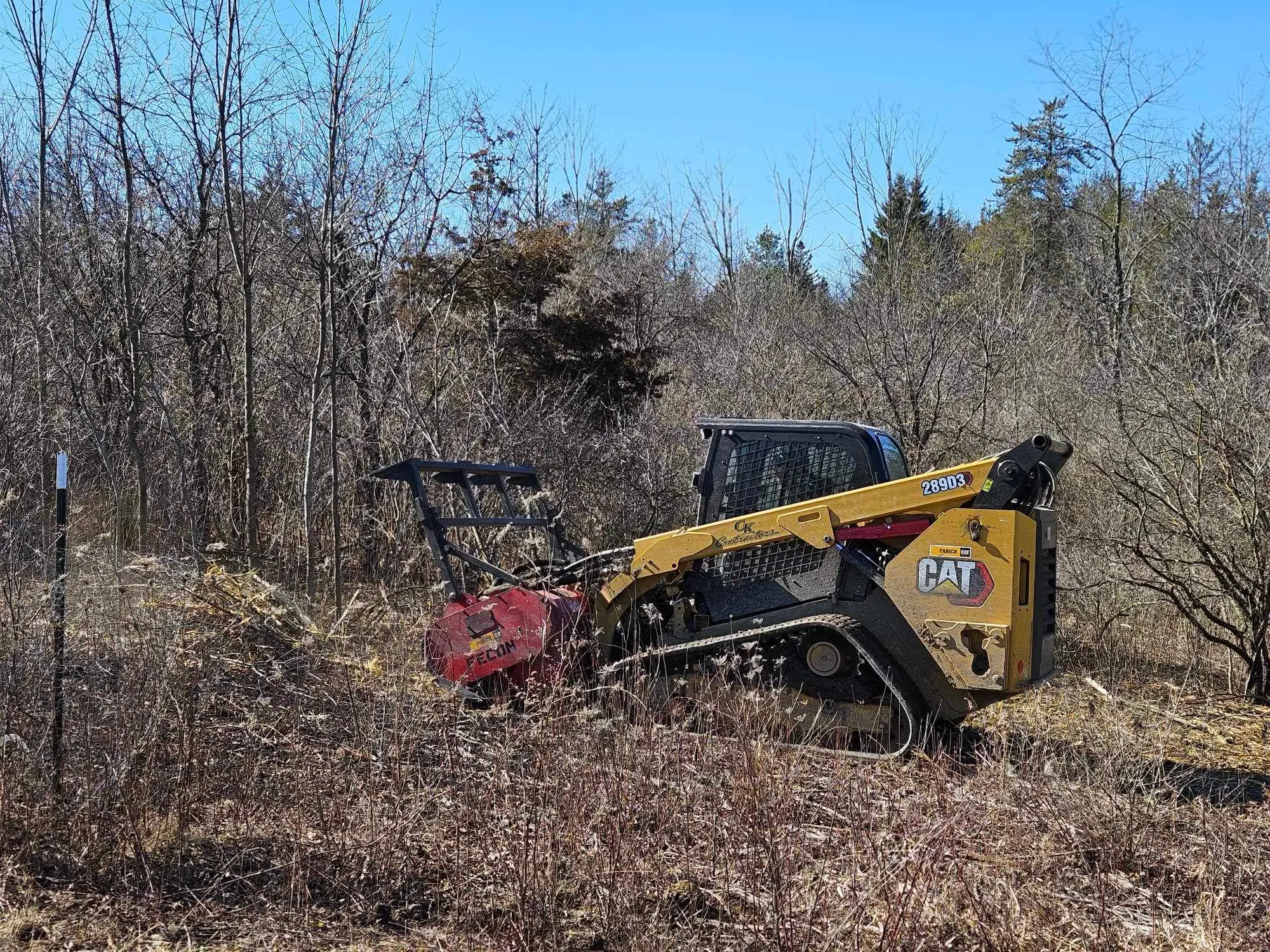
- Brush and land clearing to improve access and remove organics
- Coordinated equipment and crew scheduling to take advantage of weather windows
When hauling is built into the plan, sites stay cleaner and progress faster. When clearing is handled early, grading is more accurate and durable.
Q&A
Knowing what planning prevents is only half the picture. The next step is recognizing when it’s time to act.
Signs You Should Schedule a Site Evaluation Before Spring
If you’re seeing any of the following, it’s worth getting a site evaluation scheduled before demand peaks:
- Water pooling near a foundation or garage
- Recurring ice sheets on driveways or walkways
- Soft yard spots during warm-ups
- Erosion around downspouts
- Driveway ruts worsening each year
- Sump pump discharge creating ice problems
These signs usually point to grading or drainage issues—not just bad weather. A clear plan now can save time, money, and frustration later.
Q&A
Efficient projects also depend on what happens to soil and debris once work begins—which brings us to hauling and site support.
Plan Now, Build Faster When Spring Arrives
Early planning helps avoid spring excavation delays. It gives you time to make smart decisions, secure a schedule, and be ready when conditions allow work to begin.
Late winter also works in your favor. Freeze–thaw cycles highlight drainage problems clearly, making grading and excavation plans more accurate. When grading is done right, it protects structures, improves usability, and reduces recurring issues caused by pooling and refreezing.
Q&A
What’s Next?
If you want to avoid spring excavation delays and start the season with a clear plan, reach out to CK Contractors for a site evaluation and free estimate. Getting started early is one of the simplest ways to turn spring from a scramble into a smooth, well-timed project.