A Property Owner’s Guide
I get this question all the time. A property owner calls me up, they’ve noticed their shoreline is starting to go, and the first thing they want to know is what it’s going to cost. That’s a fair question. And I’m going to give you a straight answer right up front.
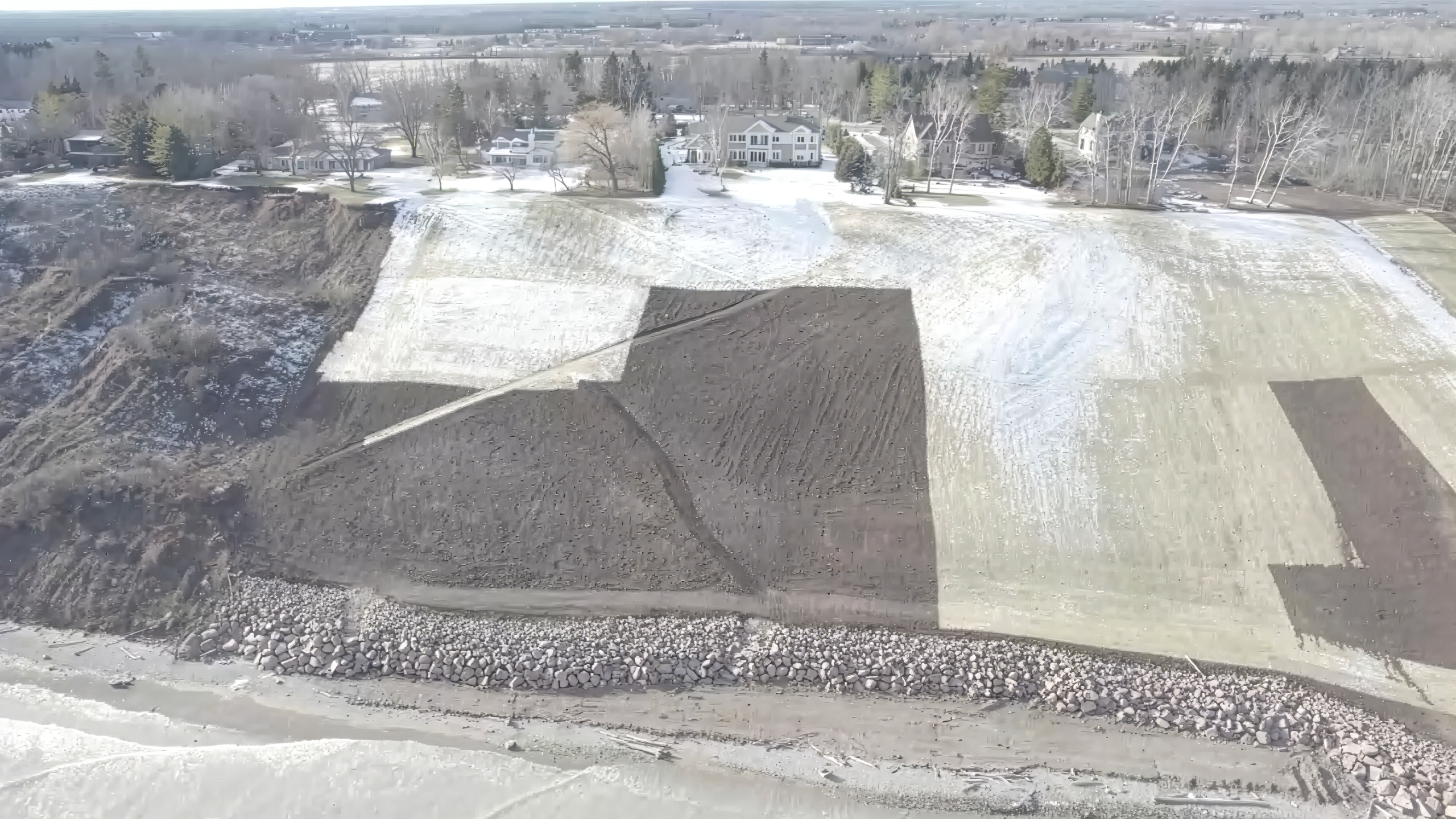
Shoreline restoration in Wisconsin costs between $50 and $500 per linear foot, depending on the method and the condition of your property. Riprap, which is the large rock armor most people picture when they think about lakeshore protection, runs $300 to $500 per linear foot installed. Native plant stabilization on its own runs $50 to $150. Most of the lakeshore projects we work on around Lake Geneva, Delavan Lake, and the other southeastern Wisconsin lakes land in that riprap range, because the wave energy here calls for it.
Now, those are starting numbers. Not a quote. Every shoreline is different. I’ve been working on properties across Kenosha, Racine, Walworth, Waukesha, and Milwaukee counties for over 20 years, and I can tell you that the actual cost of your project depends on a handful of things that only a site visit can sort out. This guide walks you through all of them.
Cost By Restoration Method
Let’s start with the basics. There are a few different ways to restore a shoreline, and the method that makes sense for your property has a big impact on what you’ll pay.
| Method | Typical cost range | Best for |
|---|---|---|
| Riprap (rock armor) | $300 to $500 per linear foot | Medium to high wave energy shorelines |
| Native plant stabilization | $50 to $150 per linear foot | Lower energy sites, calmer water |
| Riprap + native plants (combined) | $300 to $500 per linear foot | Most Wisconsin lakeshores — best long-term result |
| Seawall replacement | $500 to $1,000+ per linear foot | Commercial, steep slopes, navigational channels |
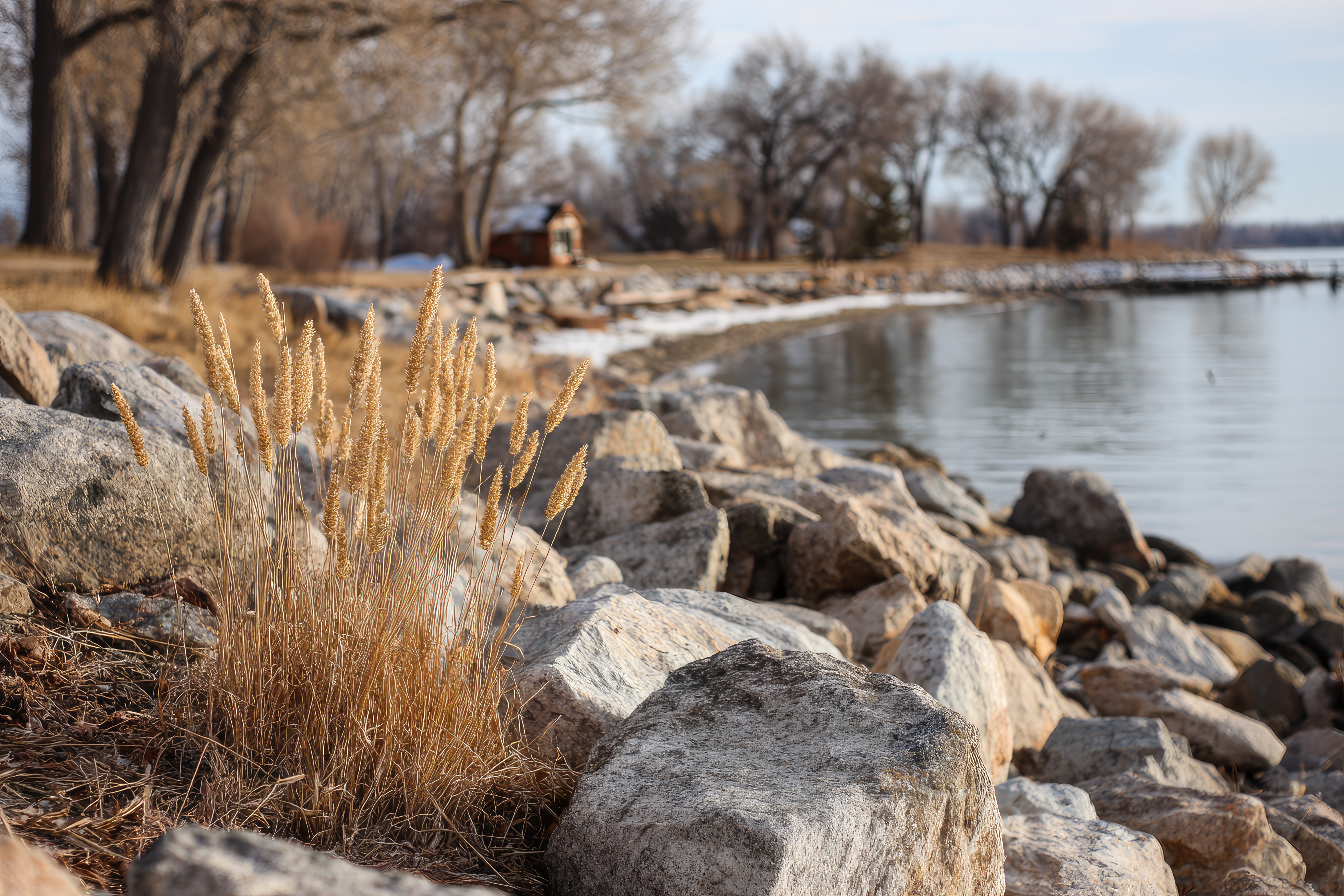
One thing worth knowing about the combined riprap and native vegetation approach: the Wisconsin DNR now requires native plantings above the storm-wave height on all riprap projects. So if you’re putting in rock, you’re also planting. I actually think that’s the right call. The plants hold the soil above the rock line, they filter runoff before it hits the lake, and they make the whole thing look better. We treat it as standard on every lakeshore job we do.
Total project costs for most residential lakeshore jobs in SE Wisconsin run somewhere between $20,000 and $75,000. Simpler projects come in on the lower end. Sites with difficult access, major existing damage, or high wave energy push toward the top.
What Drives The Cost Up Or Down On Your Property
This is the section most people need to read. Two properties on the same lake can have very different project costs. Here is what moves the number.
Linear footage. More shoreline to protect means a higher total cost. Simple math. Most residential projects we see run between 50 and 150 linear feet.
Site access. Can we get equipment to your waterline? A tight lot, a steep hillside, or no clear path for a machine adds time and cost. Some properties need smaller equipment or hand work. Both take longer.
Slope and water depth. A gradual slope is easier and cheaper to armor than a steep, undercut bank. If the toe of your shoreline has eroded deep underwater, we need more material to build a stable base.
Wave energy. A shoreline exposed to the full fetch of Geneva Lake takes a lot more punishment than a protected cove on Delavan. Higher energy means we need heavier rock and a more robust installation. That costs more.
Extent of existing damage. If your bank is actively slumping, or trees are starting to fall toward the water, there is more work to do before we even get to the restoration. I’ve seen people wait too long and turn a $30,000 job into a $60,000 job. The sooner you call, the better your options.
Material type and sourcing. Not all rock is the same. Larger armor stone costs more than smaller riprap. Hauling distance matters too. We source locally whenever we can to keep that number down.
Season. Fall is when we do most of our lakeshore work. Water levels drop, the ground is workable, and we can get equipment right to the water’s edge. Summer projects can run a little higher due to demand and tougher ground conditions.
What About Wisconsin DNR Permits?
I get this question on almost every site visit. People hear “permit” and they get nervous. I understand that. But here’s the thing: the permitting process is manageable when you know what to expect. And we handle it for you.
Here is how it works in plain terms:
- Riprap projects up to 200 linear feet on inland lakes may qualify for a DNR exemption. That means no permit required, as long as your project meets all the eligibility criteria.
- Projects larger than 200 linear feet, or on a specially designated waterway, will likely need a general permit (GP26) or an individual permit.
- New seawalls and seawall replacements almost always require an individual permit.
- Some projects also need sign-off from your county zoning office or the U.S. Army Corps of Engineers. We figure out which applies to your situation during the site visit.
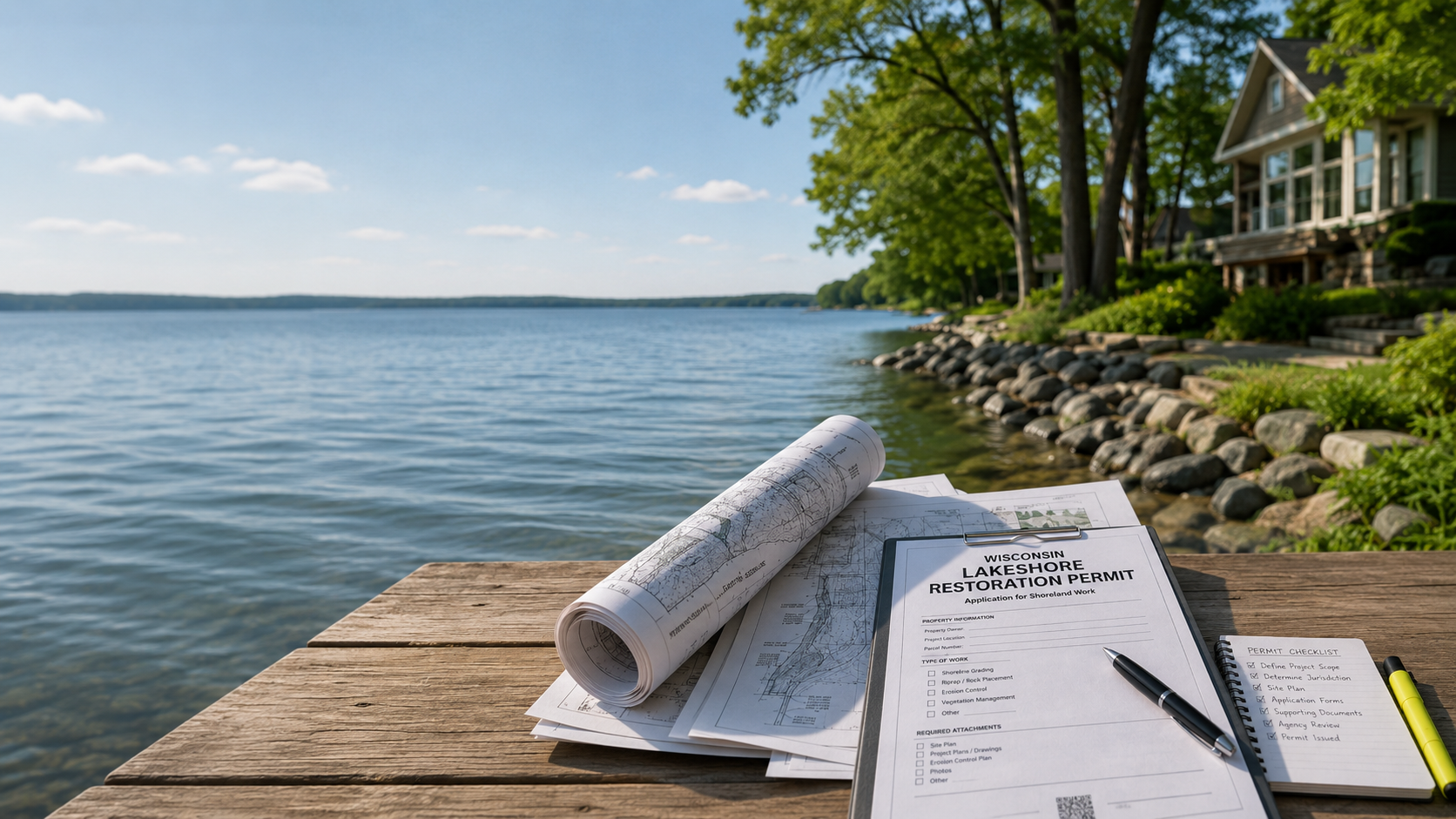
General permits through the DNR typically take 4 to 8 weeks once you submit a complete application. Individual permits take longer. This is exactly why I tell people who call us in June: if you want this done in the fall, we need to start the paperwork now. Waiting until September to call about a fall project is waiting too long.
We handle the full permitting process. You don’t have to figure out the DNR system on your own. That’s part of what we do.
What Does A Shoreline Restoration Project Actually Include?
One of the best things you can do before you get quotes from anyone is understand what a restoration project actually covers. It helps you compare contractors fairly and spot a low bid that’s missing something important.
Here’s what goes into a typical CK Contractors lakeshore job:
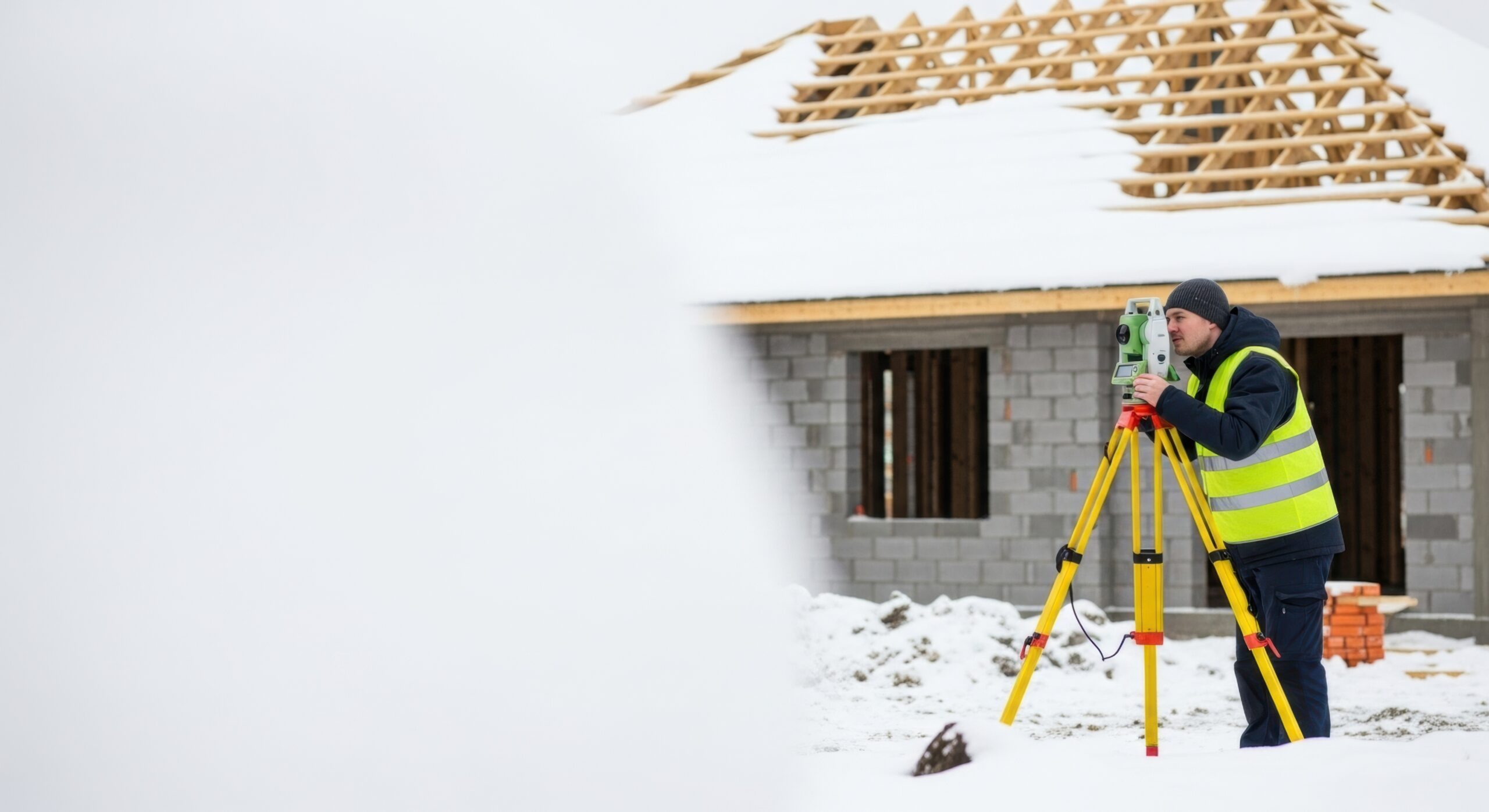
- Site assessment and design. We visit your property, walk the shoreline, look at wave energy and slope, and put together a plan before any work starts.
- Permitting. We handle the DNR application, gather the required documentation, and coordinate with county and federal contacts when needed.
- Materials. Rock, filter fabric, stone filter layer, and native plants. We source materials that match your specific shoreline conditions.
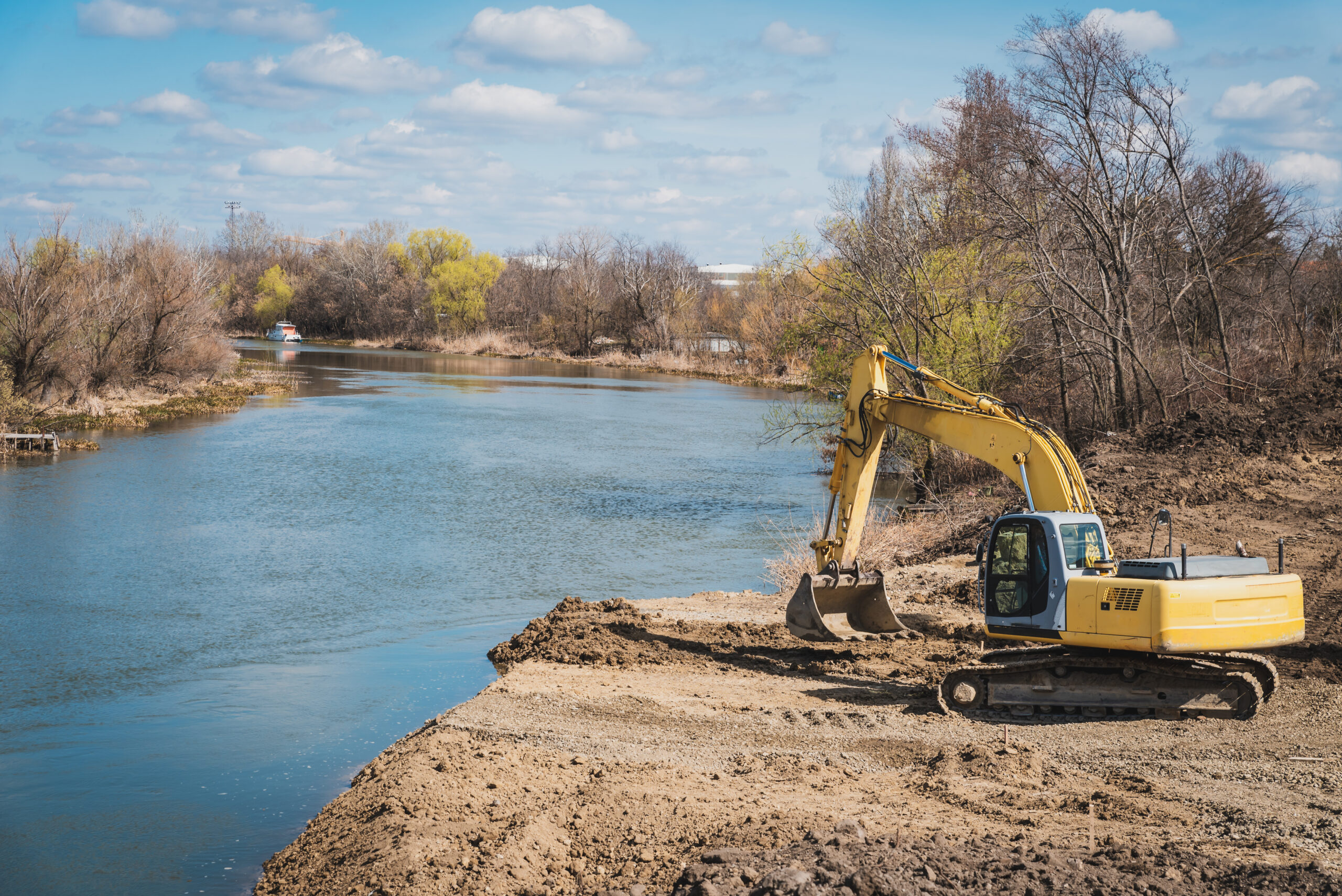
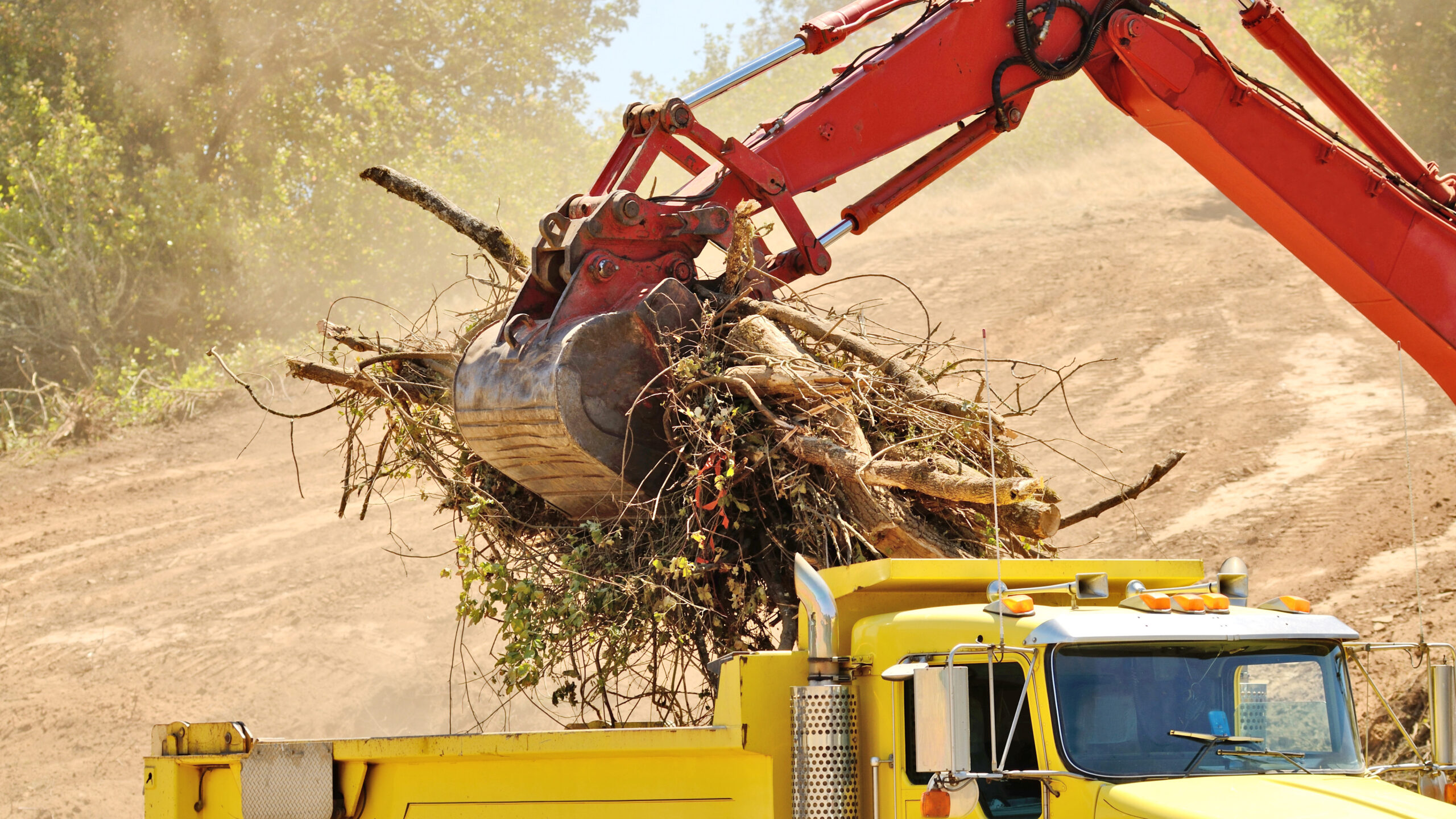
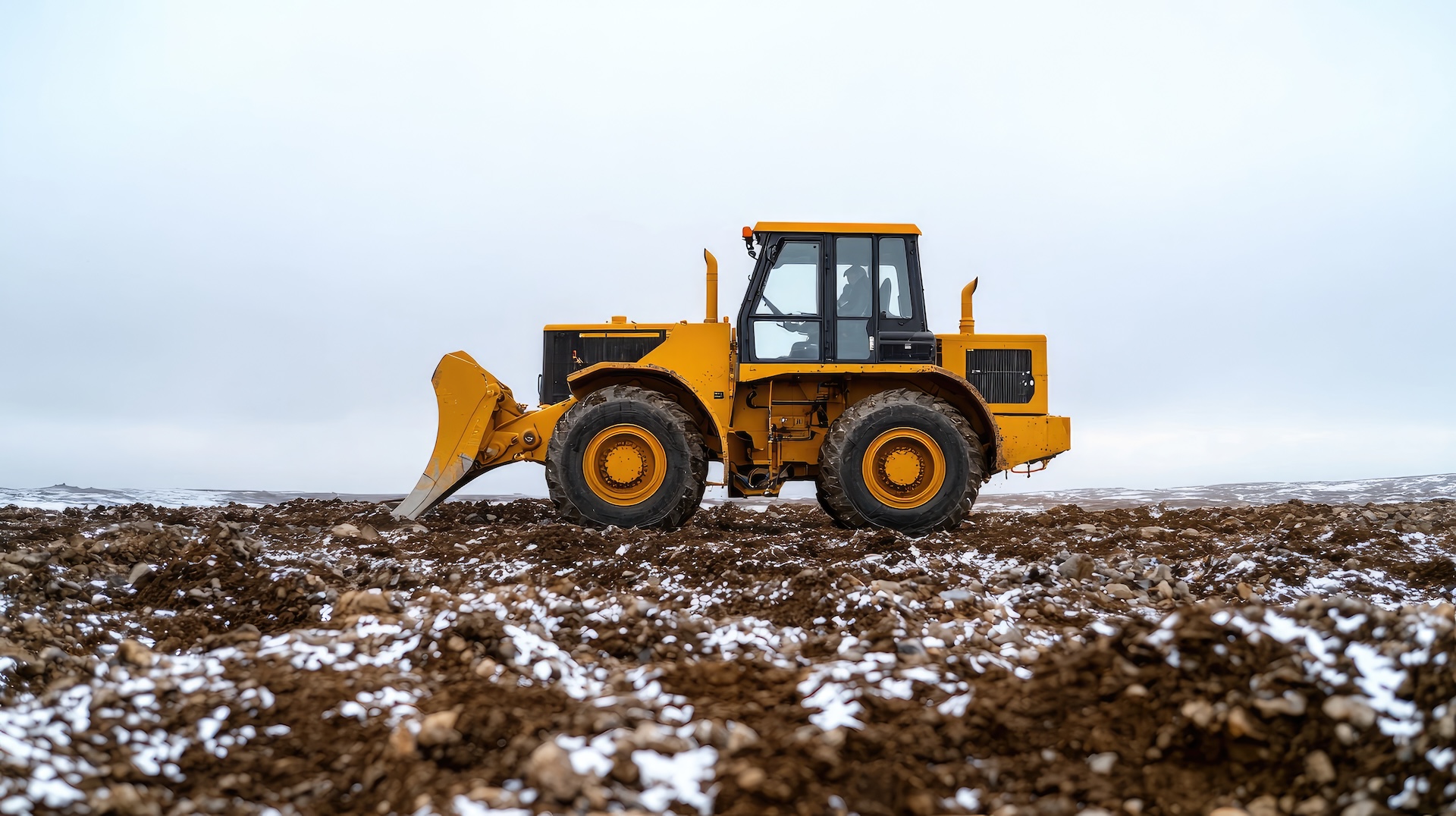
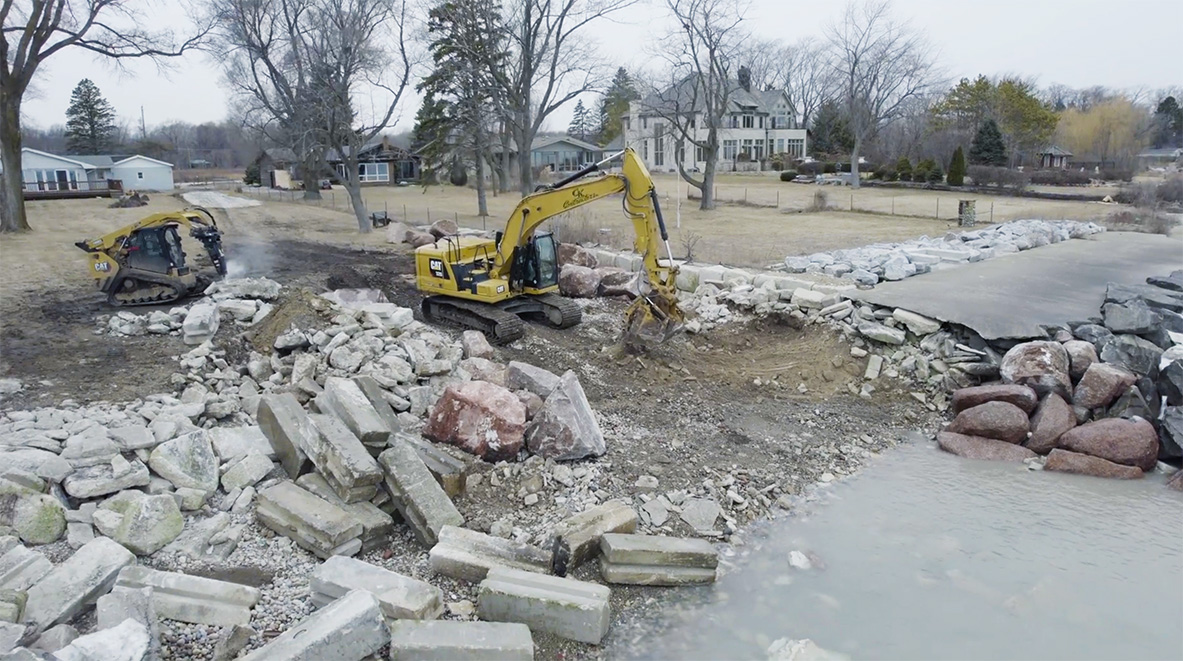
- Equipment and labor. Excavators, skid steers, and dump trucks. Our crew handles the full installation.
- Revegetation. Native plantings above the storm-wave line, as required by the DNR and as part of our standard approach on every job.
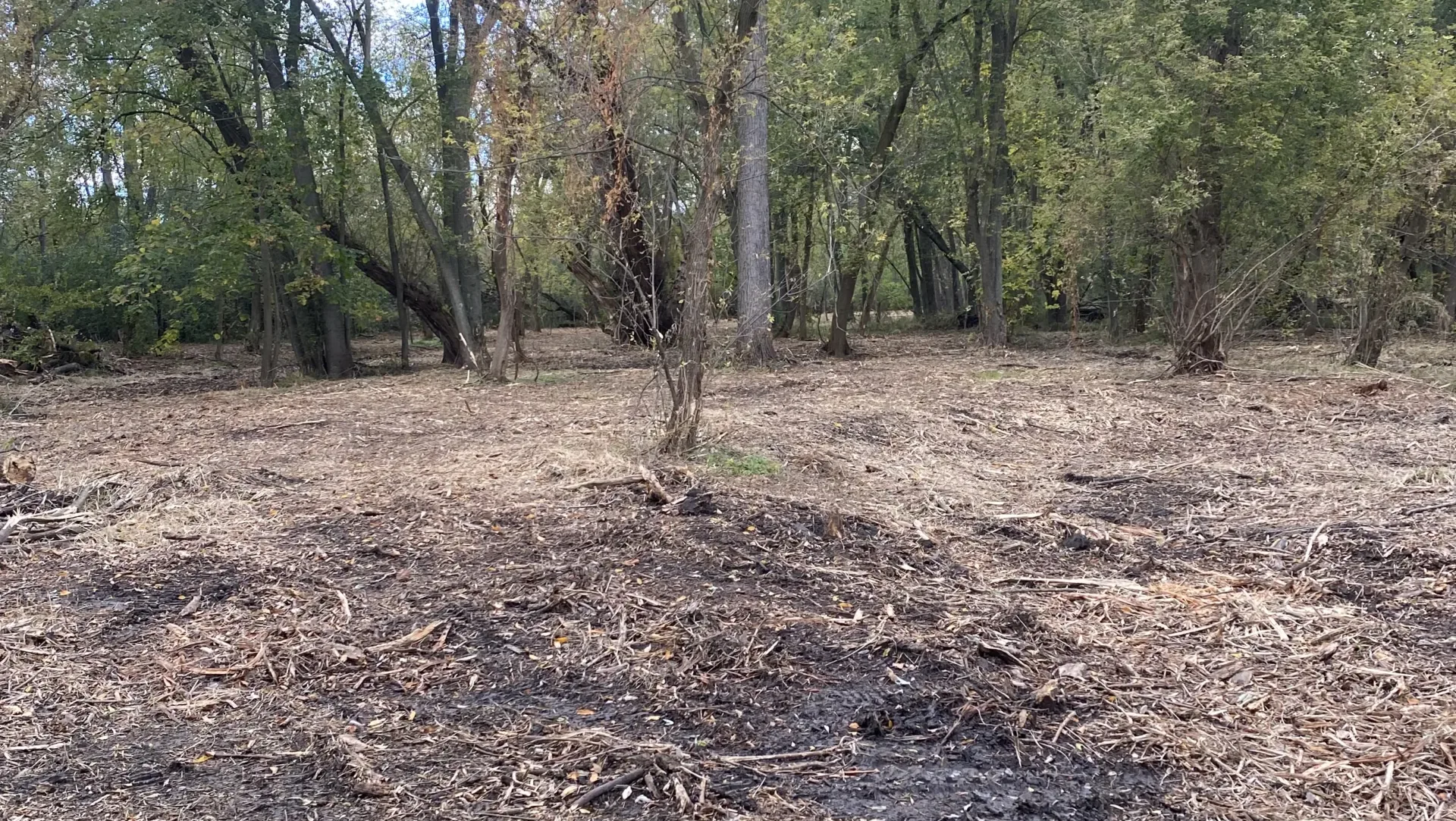
- Site cleanup. We leave your property clean. That’s not optional for us.
I’ve seen quotes come in that look great on paper because they only include the rock. No permits. No plants. No cleanup. When you’re comparing estimates, make sure you’re comparing the same scope of work. Ask every contractor exactly what is and isn’t included. CK Contractors handles the permitting throughout your restoration project to ensure a smooth and quick process.
Is Shoreline Restoration Worth The Cost?
In my experience, the property owners who wait the longest end up paying the most. Erosion doesn’t stop on its own. It compounds. A shoreline that needs 80 linear feet of riprap today might need 140 feet of work in three years if the bank keeps slumping. The land that’s gone is gone. You can’t get it back.
There’s also real money on the table in terms of property value. Studies on Midwest lakeshore properties show restored natural shorelines can increase property value by 3 to 13 percent. A well-protected, well-planted shoreline tells a buyer that the property has been taken care of.
And then there’s the cost of doing nothing. The U.S. Army Corps of Engineers estimates Great Lakes erosion causes around $20 million in property damage every year. The inland lakes of southeastern Wisconsin aren’t immune to that. When I show up to a property and the owner tells me they’ve been watching the bank get worse for a couple of years, the first thing I think is that we have more work to do than we needed to.
How To Get An Accurate Estimate For Your Property
There’s no number I can give you over the phone that means anything without seeing your shoreline. Anyone who quotes you a hard number before they’ve walked your property is guessing. I won’t do that.
Here’s how our estimate process works:
- You call us or fill out our estimate form online.
- We schedule a free on-site visit, usually within a week or two.
- We walk your shoreline with you, look at the damage, and talk through your options.
- We put together a written estimate covering the full scope of work, including permitting if it’s needed.
- You decide if you want to move forward. No pressure from us.
A few things that are helpful to have ready when we come out: a rough sense of how much shoreline you want to address, any photos you’ve taken of the problem areas, and any notes from conversations with your county zoning office. None of that is required. We’ll figure it out together when we’re standing on your property.
Ready To Find Out What Your Shoreline Needs?
If your lakeshore is showing signs of erosion, the best time to act is before the problem gets worse. We work with property owners throughout Kenosha, Racine, Walworth, Waukesha, and Milwaukee counties.
Call us directly at (262) 206-5009 or request your free quote online. We will come out, take a look, and give you a straight answer.